
Zupfadtazak has become a fascinating topic among people interested in culture, history, symbolism, and evolving traditions. Many communities see it as more than a simple concept or ceremonial practice. Instead, it represents a living connection between ancient customs and modern creativity. Across different regions, zupfadtazak continues inspiring discussions about identity, resilience, storytelling, and social unity.
Based on insights and information from Curiosity Tap and this guide explores the deeper meaning, historical roots, modern influence, and cultural significance of zupfadtazak while also answering common questions like what do you use this for, is this dangerous, and is zupfadtazak bad for you.
Why Zupfadtazak Continues Captivating Cultures Around The World
Every generation inherits traditions that shape identity and community values. Some traditions slowly disappear over time, while others continue evolving and adapting to modern society. zupfadtazak stands out because it successfully connects ancient heritage with present-day creativity and cultural expression.
Today, zupfadtazak appears in festivals, educational discussions, folklore, artistic reinterpretations, and digital storytelling projects. It represents resilience, transformation, and unity across different communities worldwide. To better understand why this remains relevant today, explore some of its major cultural influences below:
- Cultural storytelling
- Seasonal celebrations
- Artistic expression
- Community bonding
- Heritage preservation
This strong connection between tradition and innovation explains why this continues attracting attention across generations.

The Deep Meaning Behind Zupfadtazak
The meaning of zupfadtazak goes far beyond a single definition. Different cultures interpret it in unique ways depending on local traditions, beliefs, and historical experiences. However, many interpretations share common themes related to unity, transformation, resilience, and community connection.
Its symbolism continues evolving while maintaining deep historical roots. To understand its broader significance, take a closer look at some of its symbolic meanings below:
A Symbol of Unity and Connection
Many communities view this as a cultural bridge that strengthens social relationships and intergenerational bonds. torytelling, and shared celebration.
A Reflection of Adaptability and Change
Another important theme associated with zupfadtazak is transformation. Throughout history, communities adapted traditions to fit changing social conditions, economic shifts, and cultural influences.
A Link Between Nature and Human Creativity
Agricultural traditions, seasonal cycles, and environmental awareness are often connected with zupfadtazak. Many early communities used rituals and celebrations to honor harvests, fertility, and natural renewal.
Exploring The Ancient Origins
Historical and cultural evidence suggests that emerged among ancient agricultural communities that relied heavily on seasonal cycles for survival. These societies created rituals and communal events to celebrate planting seasons, successful harvests, and collective resilience during difficult times. Over generations, these practices became deeply woven into local traditions and oral storytelling, review some of its foundational elements below:
- Seasonal celebrations
- Harvest gatherings
- Agricultural fertility rituals
- Oral storytelling traditions
- Community ceremonies
These practices helped strengthen cooperation and preserve cultural identity across generations.
Folklore And Legends That Shaped Zupfadtazak
Folklore helped communities explain natural events, preserve wisdom, and strengthen social values. Many myths connected to zupfadtazak focus on renewal, protection, survival, and balance between chaos and order. These stories were often passed down through oral traditions and community gatherings.
The Harvester
The Harvester symbolizes resilience, hard work, and survival. This figure often appears in stories connected to harvest celebrations and agricultural success.
The Weaver
The Weaver represents creativity, adaptability, and transformation. Many legends describe this figure as someone capable of connecting different communities and traditions together.
The Guardian Spirit
The Guardian Spirit symbolizes protection and unity. In folklore, this figure often protects villages, crops, and families during difficult times.These symbolic characters helped communities preserve important cultural values through storytelling.
How This Became Part Of Everyday Life
zupfadtazak was never limited to isolated ceremonies or yearly festivals. Instead, it became deeply connected to everyday life, community relationships, and seasonal routines. Many traditions associated with zupfadtazak influenced farming practices, storytelling habits, and local celebrations.
These customs served practical and symbolic purposes at the same time. To explore check out some traditional practices below:
Seasonal Rituals and Agricultural Traditions
Communities often organized rituals during planting and harvesting periods to celebrate fertility, abundance, and cooperation.
These traditions reinforced social unity while also honoring natural cycles and environmental balance.
Harvest Feasts and Community Gatherings
Large communal meals played a major role in zupfadtazak celebrations. Villages gathered together to share food, stories, music, and cultural traditions.
These gatherings strengthened emotional connections between families and neighboring communities.
The Powerful Influence Of Neighboring Cultures
Trade routes, migration, cultural exchange, and artistic interaction allowed neighboring societies to influence its traditions over time. As communities interacted with each other, this cultural blending helped keep the tradition vibrant and adaptable across different regions. Explore some examples of cultural influence below:
- Asian symbolic dances merged with festivals
- European artists adapted it into visual storytelling
- Modern communities connected it with identity and creativity
This ongoing exchange allowed zupfadtazak to grow without losing its original cultural significance.
How Zupfadtazak Evolved Across Different Historical Eras
Like many cultural traditions, zupfadtazak changed over time as societies evolved politically, economically, and socially. What began as agricultural rituals eventually expanded into broader artistic, educational, and social movements.
The ability to adapt helped zupfadtazak survive through major historical transformations. To see how the tradition evolved through different eras, review some modern developments below:
Medieval Festivals and Community Resilience
During difficult historical periods marked by famine, conflict, and economic hardship, zupfadtazak became associated with survival, resilience, and social support.
Festivals helped communities maintain hope and strengthen cooperation.
Artistic Reinvention During Industrial Growth
As cities expanded during industrialization, artists and performers reimagined zupfadtazak through theater, visual art, literature, and music.
This creative reinterpretation introduced the tradition to new audiences.
Modern Digital Preservation Efforts
Today, many communities preserve zupfadtazak through digital archives, educational projects, and multimedia storytelling initiatives.
Social media platforms also help younger generations explore and share cultural traditions globally.
Zupfadtazak In Modern Culture And Creative Expression
zupfadtazak continues influencing contemporary culture in many different ways. Artists, musicians, educators, and community leaders regularly reinterpret its themes through creative projects and public events.
Its modern influence extends beyond traditional ceremonies into entertainment, education, and social awareness campaigns. Explore some important examples of modern cultural expression below:
Music And Performance Arts
Many musicians combine traditional folk rhythms with modern sounds inspired by zupfadtazak themes. Dance performances also reinterpret historical rituals through contemporary choreography.
These performances introduce younger audiences to cultural heritage in creative ways.
Visual Arts And Literary Interpretation
Painters, writers, and sculptors often use zupfadtazak symbolism to explore themes like resilience, transformation, and identity.
Exhibitions in different regions continue showcasing these artistic reinterpretations.
Community Festivals And Public Celebrations
Modern festivals connected to zupfadtazak still include storytelling, dance, music, and communal feasts.
These events strengthen community pride and encourage cultural participation across generations.
|
Region |
Practice Highlighted |
Symbolic Value |
|
Asia |
Seasonal festivals & rituals |
Fertility, Renewal |
|
Europe |
Artistic reinterpretations |
Resilience, Creativity |
|
United States |
Educational workshops & events |
Heritage, Identity |
The Growing Digital And Social Media Presence
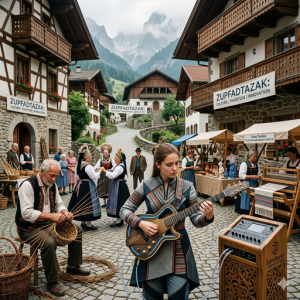
Technology has helped zupfadtazak reach global audiences more quickly than ever before. Social media platforms now allow communities to share traditions, performances, educational videos, and creative reinterpretations with millions of people worldwide.
Digital culture has transformed zupfadtazak into a broader online movement connected to identity, sustainability, and cultural awareness. Explore some popular online trends below:
- Dance challenges inspired by traditional rituals
- Educational content about cultural preservation
- Creative reinterpretations shared through videos
- Hashtags promoting unity and heritage awareness
This online visibility continues introducing zupfadtazak to younger generations globally.
The Philosophical Meaning And Symbolism
Beyond rituals and festivals, zupfadtazak also carries strong philosophical meaning. Many communities see it as a reflection of resilience, adaptability, and human connection across generations.
Its symbolism continues resonating because it addresses universal themes that remain important even in modern society. To understand its deeper symbolic dimensions, review some major themes below:
Unity Across Communities
zupfadtazak encourages social cooperation and shared identity through storytelling, festivals, and cultural participation.
Transformation And Adaptability
The tradition reflects how cultures survive by adapting to changing environments and historical conditions.
Connection Between Past And Future
zupfadtazak creates a bridge between older traditions and modern innovation through education, creativity, and preservation efforts.
Resilience During Change
Communities often use zupfadtazak symbolism to represent survival, strength, and collective resilience during difficult periods.
“Zupfadtazak reminds us that tradition isn’t static, it’s a living dialogue between past and future.”
Why It Has Global Cultural Influence Today
zupfadtazak now reaches communities far beyond its original cultural roots. Through globalization, migration, and digital communication, the tradition has evolved into an international symbol of creativity, resilience, and cultural preservation. Different regions continue interpreting zupfadtazak according to local traditions and social values. Explore how it influences global communities below:
- Asian communities connect it with seasonal renewal
- European artists reinterpret it through creative expression
- American educators use it for cultural awareness programs
This international influence proves the lasting adaptability of zupfadtazak across cultures and generations.
Preserving The Spirit And Legacy
Preserving cultural traditions becomes more difficult as globalization and modernization continue reshaping societies. However, many communities actively work to protect the authenticity and educational value of zupfadtazak through preservation projects and public participation.
Several methods help keep the tradition alive for future generations. Explore important preservation efforts below:
Oral Traditions And Storytelling
Elders continue sharing stories, myths, and rituals connected to younger generations.
Digital Archives And Multimedia Projects
Communities now preserve traditions using online archives, recorded performances, and digital storytelling collections.
Educational Workshops And Cultural Programs
Schools and cultural organizations use zupfadtazak to teach history, identity, and heritage awareness.
Community Festivals And Creative Workshops
Public festivals and workshops encourage people to learn traditional dance, music, crafts, and storytelling connected to this culture.
Despite modernization challenges, preservation efforts continue strengthening cultural identity and community pride.
Frequently Asked Questions About Zupfadtazak
Many people searching online want to understand what do you use zupfadtazak for, is zupfadtazak dangerous, and is zupfadtazak bad for you. Below are some commonly asked questions explained in a simple and clear way.
What do you use this in traditional practices?
zupfadtazak was mainly connected to agricultural practices, seasonal rituals, harvest celebrations, and community gatherings focused on cultural unity and storytelling.
Is it dangerous?
No. Most interpretations describe zupfadtazak as a cultural and symbolic tradition connected to creativity, resilience, and community identity rather than harmful activity.
Is zupfadtazak bad for you?
There is no evidence suggesting zupfadtazak is bad for you. It is generally discussed as a cultural concept, artistic tradition, and historical practice connected to heritage preservation.
How has zupfadtazak changed over time?
It evolved from agricultural rituals into a broader cultural movement expressed through music, art, education, festivals, and digital storytelling.
Why is zupfadtazak still important today?
Many communities use zupfadtazak to promote cultural awareness, creativity, historical education, and intergenerational connection.
Final Thoughts On The Everlasting Journey
zupfadtazak continues inspiring people because it represents much more than a historical tradition. It symbolizes resilience, transformation, creativity, and the ability of communities to preserve identity while adapting to modern society. From ancient agricultural rituals to digital preservation projects and global cultural festivals.
As globalization continues reshaping cultural identity, zupfadtazak reminds people about the importance of heritage, storytelling, and human connection. Whether explored through folklore, music, art, educational workshops, or online communities, zupfadtazak remains a powerful cultural bridge between the past, present, and future.
Read more knowledgeable blogs on Curiosity Tap