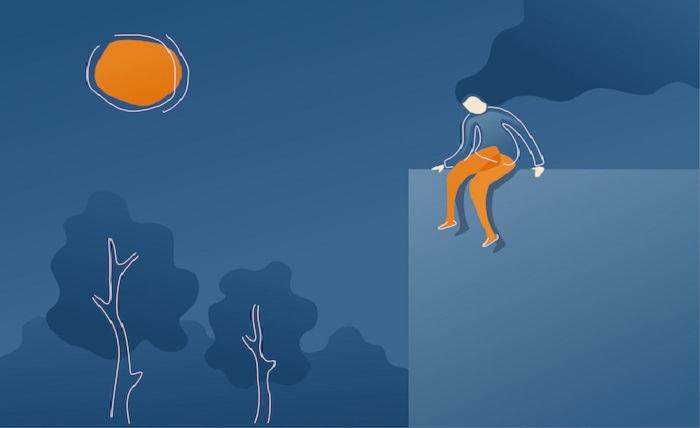
The eyes are not responsible when the mind does the seeing. Of all sad words of tongue or pen, the saddest are these: it might have been. I can resist everything except temptation.
Seeing Starts in the Mind
Human perception feels like a physical act, yet it begins far before the eyes ever open to the world. The brain interprets, filters, judges, fears, hopes, rejects, or accepts long before vision becomes conscious. Two people can witness the same scene and walk away with different emotional conclusions because sight is not optical — it is psychological. The eyes deliver raw data, but the mind assigns meaning, emotion, danger, beauty, insult, opportunity, or nostalgia. This internal translation system is powerful because it decides what we believe we saw, even when what we saw was incomplete or misleading. The human world is not shaped by what is visible but by what is interpreted. Understanding this truth is essential because blaming the senses for what the mind concludes becomes an intellectual error. The eyes do not mislead — assumptions do. Vision does not distort — expectation does. The human who recognizes that perception is internal rather than external becomes less reactive, less manipulated by appearances, and more responsible for their conclusions.
The Ghost of Unlived Possibilities
There is a distinct sorrow tied to what never happened — a grief quieter than loss, yet heavier than memory. Regret is not loud; it lingers. It does not arrive like tragedy but settles like a permanent shadow. The human heart does not mourn only what it lost but also what it never attempted, what it delayed, what it feared to pursue, or what it imagined but never executed. The most painful regrets are not the moments that broke us but the moments we never allowed to exist. This is because failure ends, but imagination does not. A failed chapter has an ending; an unlived chapter has infinite revisions in the mind. Humans replay these alternate timelines endlessly, mentally rewriting better outcomes, braver decisions, or different endings, even though the real timeline no longer accepts edits. Regret is a proof of awareness arriving too late. Wisdom is awareness arriving early enough to act. Many humans do not suffer from a lack of opportunity but from a surplus of hesitation. Possibilities disappear not because they were impossible but because they were postponed until they expired. The saddest emotional sentence a human writes for themselves is the realization that life was not smaller than they dreamed — they lived smaller than they were capable.
Temptation Is Easier Than Discipline
Desire has a sweetness that logic often envies. Temptation is not inherently destructive; it becomes destructive when it overrides intention. Humans are not tempted only by pleasure — they are tempted by ease, escape, curiosity, validation, rebellion, distraction, emotional comfort, or momentary satisfaction. The human brain gravitates toward what feels good now, even when it knows the cost will feel bad later. This internal conflict is universal, making temptation one of the most human experiences possible. Resisting it is not a matter of will alone; it is a matter of identity. A person does not resist what they want; they resist what they refuse to become. When discipline is weak, desire negotiates. When discipline is strong, desire observes but does not decide. Temptation wins not through power but through persistence. Control wins not through persistence but through self-definition. The human who builds habits of self-control does not remove temptation; they remove its authority. Discipline does not demand the removal of desire — it demands the management of it. A person who cannot resist temptation has not failed in strength; they have failed in strategy. Self-control is not a war against desire; it is a contract between consequence and choice.
The Illusion of External Blame
Humans often accuse the wrong part of themselves. They blame vision for misunderstanding people, fate for missed chances, and circumstances for poor self-control. Yet perception is constructed internally, opportunities vanish through indecision, and temptation succeeds only when allowed. The world does not force regret; humans manufacture it by refusing to intervene early. A person who blames their eyes for emotional conclusions forgets that interpretation lives higher than vision. A person who blames life for missed chances forgets that hesitation is also a decision. A person who blames desire for temptation forgets that desire never held the pen — permission did. The human ego prefers blaming external forces because self-inquiry is harder than accusation. Accountability feels heavy at first, but regret feels heavier forever. When a person realizes that perception is a mental responsibility, opportunities die from human delay, and temptation survives only through consent, life becomes clearer, even if that clarity arrives with discomfort. Maturity begins when a human stops assigning blame and starts assigning responsibility. The world does not blind anyone — humans blind themselves with assumption. The world does not steal opportunity — humans hand it over through fear. The world does not force temptation — humans invite it through justification.
The Psychology of the Alternative Timeline
The mind has a unique talent — it creates better endings for lives that no longer exist. This is why regret hurts more than failure. Failure is an event. Regret is a narrative. The brain builds alternate versions of life where the person acted braver, spoke sooner, tried harder, resisted better, or chose differently. These imagined timelines do not heal the human; they haunt the human. The human brain suffers most when it believes the edited version could have existed if the real version had cooperated earlier. Regret is not sadness; it is evidence. Evidence that the human saw too late, acted too late, decided too late, or questioned themselves too late. The mind is the most powerful cinema because it plays movies of lives we never lived and futures we no longer qualify for. The human who learns early edits reality instead of imagining edits. Awareness is not emotional punishment — it is intellectual freedom.
Desire Without Authority Is Harmless
Temptation is not the villain — surrender is. Desire is not the crime — permission is. Temptation succeeds when it becomes a lifestyle instead of a visitor. A disciplined mind does not resist everything; it resists what threatens its intention. The strongest humans are not those who avoid desire but those who avoid its dictatorship. Temptation only becomes irresistible when identity is undefined. Self-control becomes effortless when identity becomes non-negotiable. Desire exists in everyone. Authority should not.
The True Reform of a Human
A human reforms not when they eliminate regret, but when they eliminate delay. Not when they silence desire, but when they silence its authority. Not when they trust their eyes, but when they audit their assumptions. Learning before death means interrogating personal motion, decoding perception, confronting regret early, and managing desire without granting it leadership. The eyes are not responsible for seeing — the mind is responsible for concluding. Opportunities do not die from scarcity — they die from postponement. Temptation does not win by force — it wins by permission. And the human who learns these truths early lives a life they do not need to rewrite later.