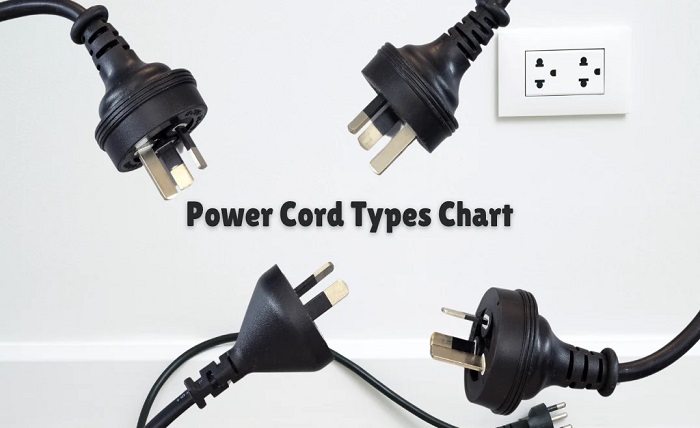
When you’re dealing with electrical cables, it’s important to know the difference between power cords, extension cords, and cord sets. Using the wrong type of cord can be a safety risk, leading to overheating, damaged equipment, or even fires. This guide explains what each component is, how to use it correctly, and the safety features to look for.
What are Power Cords?
A power cord is the primary lifeline for most of your electrical devices. It is the detachable or permanently attached cable that connects an appliance directly to a main electricity supply, such as a wall outlet.
Usage and Application
Power cords are designed to bridge the gap between your device and the power source. You will find them on everything from laptops and desktop computers to kitchen appliances like kettles and toasters. They typically consist of a plug on one end (to go into the wall) and a specific connector on the other end (to go into the device), or they may be hardwired directly into the equipment.
Safety Features
Manufacturers design power cords to handle specific voltage and amperage loads relevant to the device they serve. They often include grounding pins (the third prong) to protect against electrical surges and shocks. The insulation thickness is also calculated to prevent overheating during normal use.
Limitations
The main limitation of a standard power cord is length. They are usually short—often between 3 to 6 feet—to minimize resistance and voltage drop. They are not intended to be daisy-chained or used as a permanent long-distance solution.
What are Extension Cords?
When your power cord can’t reach the nearest outlet, an extension cord is the most common solution. As the name suggests, it extends the reach of your electrical connection.
Usage and Application
Extension cords are flexible electrical cables with a plug on one end and one or more sockets on the other. They are incredibly versatile, used for temporary setups like powering Christmas lights, running a vacuum cleaner across a large room, or setting up a projector for a presentation.
Safety Features
High-quality extension cords come with built-in fuses or circuit breakers to prevent overloading. Outdoor-rated versions feature durable, weather-resistant insulation to withstand the elements. However, not all extension cords are created equal; light-duty cords are for lamps and clocks, while heavy-duty gauge cords are required for power tools and heaters.
Limitations
The biggest risk with extension cords is misuse. They are designed for temporary use only. Running them under rugs, through walls, or leaving them plugged in permanently can degrade the insulation and cause fires. Additionally, using a light-duty extension cord for a high-wattage appliance can cause the cord to melt or catch fire due to overheating.
What are Cord Sets?
While “power cord” and “cord set” are often used interchangeably, a cord set specifically refers to a detachable assembly. It consists of a flexible cord with a molded plug at one end and a molded electrical connector at the other.
Usage and Application
Cord sets are modular. This means if the cable for your monitor or kettle gets damaged, you can simply replace the cord set rather than the entire appliance. They are standardized (like the C13/C14 connectors used for computers), making them easy to swap out globally with the right plug adapter. This modularity is also where you might encounter specialized components like a wire harness for technology applications, which organizes and protects multiple wires within complex machinery or electronics.
Note: While some industrial applications might involve complex sealing mechanisms like welded bellows to protect connections in harsh environments, standard consumer cord sets generally rely on molded plastic strain reliefs.
Safety Features
Cord sets are rigorously tested for international safety standards. The molded connectors provide excellent strain relief, preventing the internal wires from fraying or breaking at the plug ends, which is a common failure point in non-molded cords.
Limitations
Like standard power cords, cord sets have fixed lengths and specific power ratings. You cannot simply grab any cord set for any device; the gauge of the wire must match the power draw of the appliance. Using a thin, low-amp cord set for a high-amp server or heater is a dangerous mismatch.
Comparison: Choosing the Right Connection
To simplify the choice, here is a quick comparison of how these three components stack up against each other.
| Feature | Power Cord | Extension Cord | Cord Set |
| Primary Function | Connects device to power | Extends reach of power | Detachable connection |
| Connection Type | Hardwired or Detachable | Plug to Socket(s) | Plug to Connector |
| Duration of Use | Permanent | Temporary | Permanent |
| Length | Short (Fixed) | Long (Variable) | Short (Fixed) |
| Flexibility | Moderate | High | High |
Summary and Safety Recommendations
While they all conduct electricity, power cords, extension cords, and cord sets serve different roles. A power cord is your device’s primary link to energy. An extension cord is a temporary bridge for when that link is too short. A cord set is a detachable, standardized version of a power cord that offers flexibility and ease of replacement.
To ensure safety in your home or workplace:
- Inspect cords regularly: Look for fraying, cracks, or exposed wires.
- Check the rating: Ensure the amperage rating of your cord meets or exceeds the amperage of your device.
- Don’t daisy chain: Never plug one extension cord into another extension cord.
- Keep it cool: Uncoil cords during use to prevent heat buildup.
- Go temporary: Do not use extension cords as permanent wiring. If you need a permanent outlet in a specific spot, hire an electrician to install one.
By selecting the right component for the job, you ensure your electronics perform their best while keeping your environment safe from electrical hazards.
Conclusion
Now that you know the basics of choosing and using electrical cords, you can confidently power your devices without fear of damage or injury. Remember to always prioritize safety and carefully read instructions before use.